
Marketing Insights: Navigating the Modern Landscape
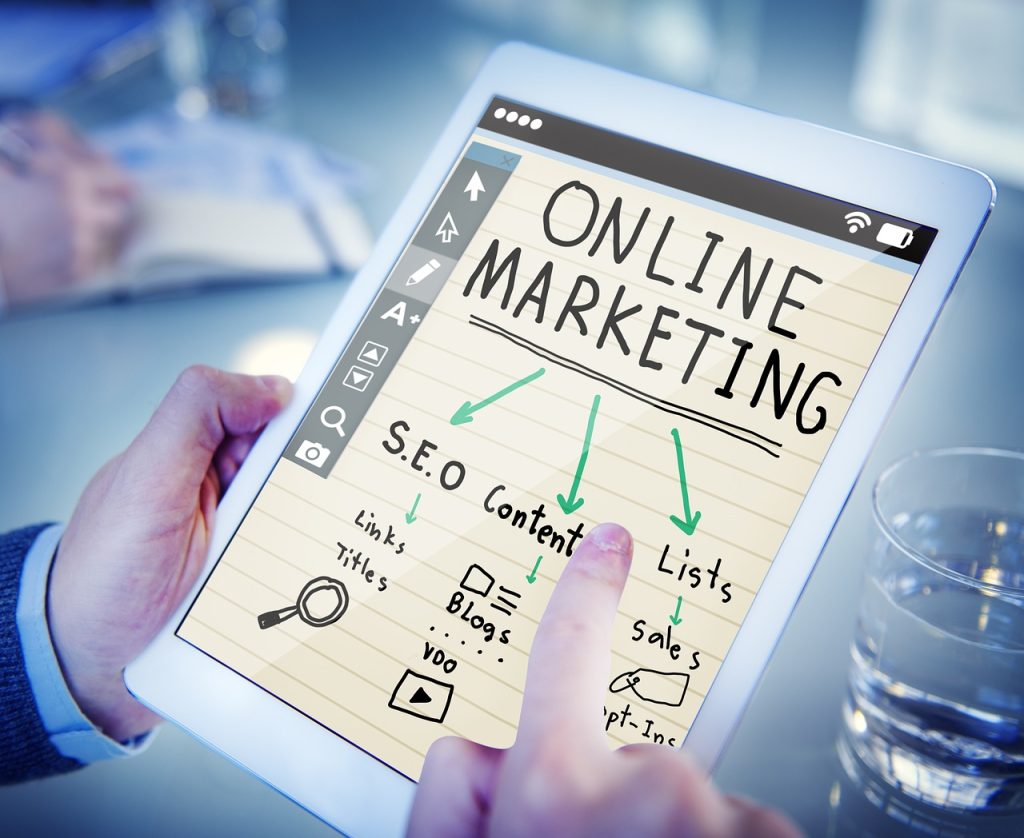
In the ever-evolving world of marketing, staying ahead of the curve is crucial for businesses aiming to connect with their audiences effectively. The digital age has ushered in a plethora of tools and strategies that can be harnessed to create impactful marketing campaigns. Here, we explore some of the latest insights that are shaping the marketing landscape today.
The Rise of Personalization
One of the most significant shifts in marketing is the move towards hyper-personalization. Consumers today expect personalized experiences tailored to their preferences and behaviors. This shift is driven by the vast amounts of data available to marketers, enabling them to segment audiences more precisely than ever before. Personalized emails, product recommendations, and targeted advertisements are becoming the norm. Companies leveraging AI and machine learning can analyze consumer data to predict future behaviors and preferences, creating a more personalized and engaging customer experience.
Content is Still King
Content marketing remains a cornerstone of successful marketing strategies. High-quality, relevant content not only attracts and engages audiences but also builds trust and authority. The key to effective content marketing lies in understanding your audience’s needs and interests. Interactive content, such as quizzes, polls, and interactive infographics, can significantly boost engagement. Video content continues to dominate, with live streaming and short-form videos gaining traction on platforms like TikTok and Instagram Reels. Additionally, the rise of podcasts and audio content offers a new avenue for reaching audiences who prefer consuming content on the go.
The Power of Social Media
Social media platforms are indispensable tools for modern marketers. With billions of active users, platforms like Facebook, Instagram, Twitter, LinkedIn, and TikTok offer unprecedented opportunities for brand visibility and engagement. The key to successful social media marketing lies in understanding the unique characteristics of each platform and tailoring your content accordingly. Influencer marketing is another powerful strategy, leveraging the reach and credibility of social media influencers to promote products and services. Authenticity and transparency are critical; consumers are more likely to trust influencers who genuinely endorse products.
Data-Driven Decision Making
The ability to collect and analyze data has revolutionized marketing. Data-driven decision-making enables marketers to optimize their strategies in real time, enhancing efficiency and effectiveness. Tools like Google Analytics, social media insights, and customer relationship management (CRM) systems provide valuable data on consumer behavior, campaign performance, and market trends. By leveraging this data, marketers can make informed decisions, allocate resources more effectively, and ultimately drive better results.
The Importance of SEO
Search engine optimization (SEO) continues to be a vital component of digital marketing. With search engines being the primary source of online traffic, a strong SEO strategy is essential for visibility and credibility. Recent trends in SEO include the increasing importance of mobile optimization, voice search, and local SEO. Google’s algorithm updates prioritize user experience, making factors like page load speed, mobile-friendliness, and high-quality content more critical than ever. Additionally, incorporating structured data and focusing on long-tail keywords can help improve search rankings.
Embracing AI and Automation
Artificial intelligence (AI) and automation are transforming marketing operations. AI-powered tools can analyze vast amounts of data, uncovering insights that would be impossible for humans to identify. Chatbots and virtual assistants enhance customer service by providing instant, 24/7 support. Marketing automation platforms streamline repetitive tasks, such as email marketing, social media posting, and ad campaigns, freeing up time for strategic planning and creative work. The integration of AI and automation not only improves efficiency but also enables more personalized and timely interactions with customers.
The Role of Customer Experience
In today’s competitive landscape, customer experience (CX) is a key differentiator. A positive CX can drive customer loyalty, word-of-mouth referrals, and ultimately, business growth. Marketers must focus on creating seamless, enjoyable experiences across all touchpoints, from initial awareness to post-purchase support. This involves understanding the customer journey, identifying pain points, and continuously optimizing processes. Listening to customer feedback and making data-driven improvements are essential for enhancing CX.
Sustainability and Social Responsibility
Consumers are increasingly concerned about environmental and social issues, and they expect brands to take a stand. Marketing strategies that highlight a company’s commitment to sustainability and social responsibility can resonate deeply with consumers. This might include transparent supply chain practices, eco-friendly products, and initiatives that support social causes. Authenticity is crucial; consumers can quickly spot insincere efforts, so it’s important for brands to genuinely commit to their stated values.
The Future of Marketing: A Hybrid Approach
The future of marketing is likely to involve a hybrid approach that combines traditional and digital strategies. While digital marketing offers powerful tools and reach, traditional methods such as print, direct mail, and in-person events still hold value, particularly for certain demographics and industries. A hybrid approach allows marketers to leverage the strengths of both worlds, creating more comprehensive and effective campaigns.
Conclusion
The marketing landscape is continuously evolving, driven by technological advancements, changing consumer behaviors, and new market trends. By embracing personalization, leveraging high-quality content, harnessing the power of social media, making data-driven decisions, optimizing for search engines, integrating AI and automation, focusing on customer experience, and committing to sustainability, marketers can navigate this dynamic environment successfully. Staying informed about the latest trends and continuously adapting strategies will be key to staying ahead in the competitive world of marketing.